

Tower Cranes
Request a Job Quote
Submit a Quote Form and a RMS Sales Representative will be in contact with you as soon as possible.
GET A QUOTEConstruction Across the Skyline

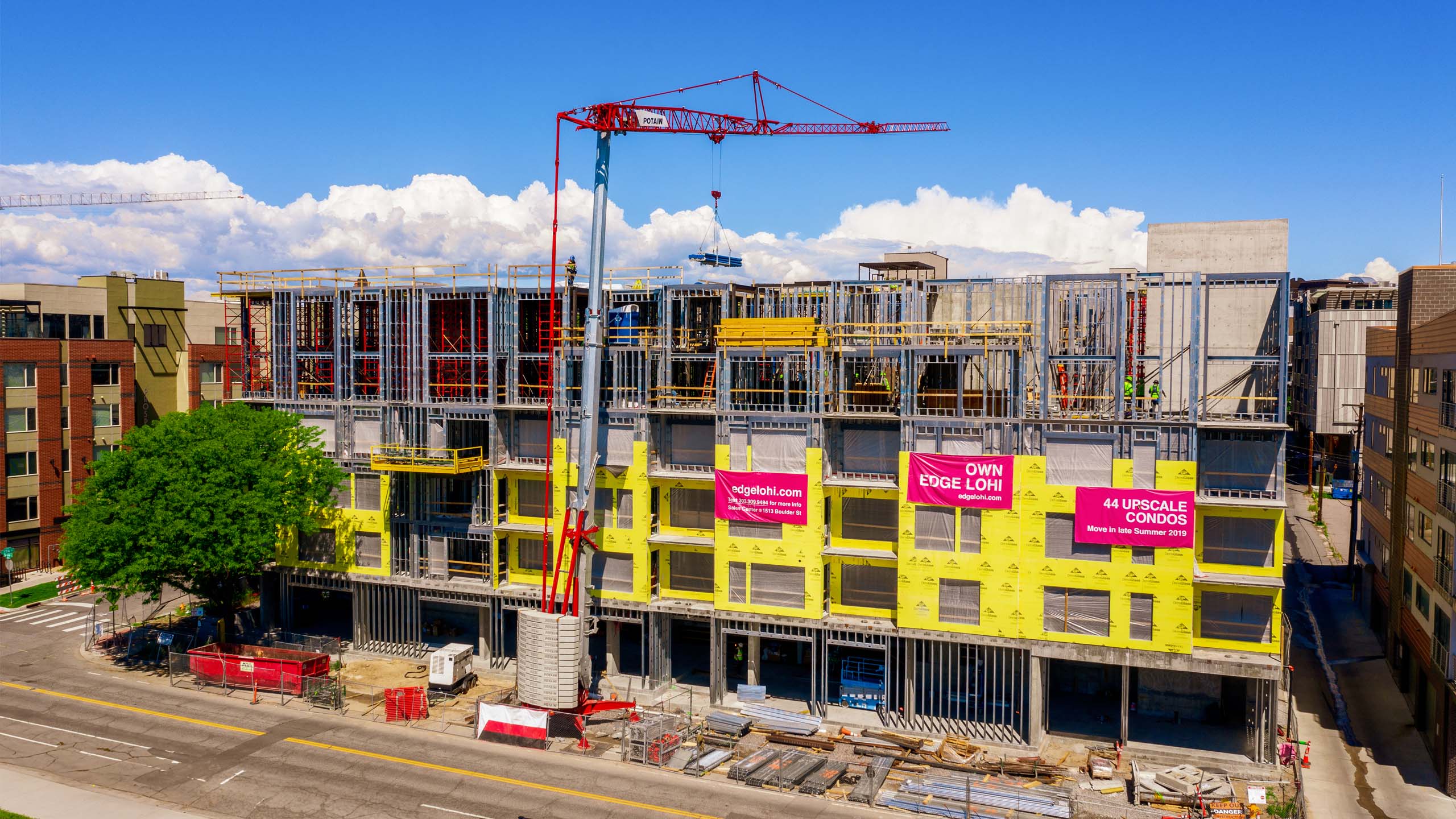
Self-Erecting
Fast, agile, and easy to operate – Self-Erecting Cranes are especially suited for small constructions sites. The Potain range of Self-Erecting Cranes are the most innovative in the line, maximizing efficiency for transport, accessibility, erection, dismantling, and repair/service.
Flat-Tops
Flat-Tops are the new and improved design in the Tower Crane world. Providing easier erection, Flat-Tops work great for multiple crane sites where you don’t need taller height under hooks. They also offer safer assembly and take up less room on a job site when building the jib.
Hammerheads
Used primarily for heavy lifting, Hammerhead Tower Cranes have pendant bars that hold up the jib and counter jib providing greater load capacities throughout the load curve. Hammerheads are the traditional Tower Cranes used for high-rise structures in most urban environments.
Luffing
Luffing Tower Cranes are commonly used on high-rise structures in tight areas where there are other existing high-rise structures. Luffing Tower Cranes are fully contained within the job site and can provide greater capacities with the jib being able to raise and lower, rather than being fixed.

Browse Crane Library
Tech Specs | Crane Capabilities | Load Charts
Frequently Asked Questions
How do I choose the right tower crane for my project?
The right tower crane depends on several factors, including the building height, maximum load weight, working radius, available space, and site constraints. Projects in dense urban environments often require different crane configurations than open commercial developments. At RMS Cranes, we review your project drawings, lifting requirements, schedule, and site conditions before recommending a crane that provides the necessary capacity while maintaining safe and efficient operation throughout construction.
What types of construction projects use tower cranes?
Tower cranes are commonly used for high-rise residential buildings, commercial developments, hospitals, hotels, office towers, parking structures, industrial facilities, and large institutional projects. They are particularly valuable when materials need to be lifted repeatedly to significant heights while maintaining a relatively small footprint at ground level.
What is the difference between the varying types of tower cranes?
Each tower crane is designed for different applications. Self-erecting cranes are ideal for smaller projects where quick setup is important. Flat-top cranes simplify erection on sites with multiple cranes operating nearby. Hammerhead cranes provide excellent lifting capacity for large commercial projects, while luffing cranes are often selected for congested urban environments because their adjustable jib allows them to work safely around neighboring buildings and other cranes.
Do you provide tower crane erection and dismantling?
Yes. We provide turnkey tower crane services, including transportation, erection, climbing, operation, maintenance, inspections, and dismantling. Managing the entire process through one experienced team helps improve coordination while ensuring the crane is assembled and removed according to manufacturer specifications and project requirements.
Are tower crane operators included with the rental?
Yes. Tower crane rentals can include experienced operators who are properly trained and certified for tower crane operations. Depending on the project, additional personnel such as riggers, signal persons, or technicians may also be provided to support safe daily operations.
How early should I schedule a tower crane rental?
Since tower cranes are typically installed during the early stages of a project and often remain onsite for several months, scheduling should begin well before construction starts. Early planning allows time for engineering reviews, permitting, logistics, transportation, and erection scheduling, helping avoid unnecessary delays once construction begins.Since tower cranes are typically installed during the early stages of a project and often remain onsite for several months, scheduling should begin well before construction starts. Early planning allows time for engineering reviews, permitting, logistics, transportation, and erection scheduling, helping avoid unnecessary delays once construction begins.